VU·Vulnerable
A species facing a high risk of extinction in the wild if threats continue.
The IUCN Red List — the world's most comprehensive extinction risk database — currently lists 47,187 species as threatened with extinction. Each one has a name. Each one has a story. Each one matters.
Source: IUCN Red List of Threatened Species, April 2025
What is an endangered species?
Endangered species are species at risk of extinction — meaning there are so few individuals left alive that their entire species is at risk of disappearing from our planet forever. The current rate of extinction is considered so fast that many species are going extinct before they have even been discovered.
About 40% of our medicine is made from compounds found in nature, and we have only explored about 5% of known plant species for medicine. As species go extinct, we lose opportunities we may never recover.
IUCN Red List
Of 169,420 species assessed by the IUCN as of April 2025, tens of thousands fall into one of three escalating threat categories.
A species facing a high risk of extinction in the wild if threats continue.
A very high risk of extinction. Population has declined by 50–70% over three generations.
The highest risk category before Extinct in the Wild. Extremely high risk of extinction.
Source: IUCN Red List Categories & Criteria — iucnredlist.org
Species spotlight
A glimpse at some of the species we stand to lose forever.
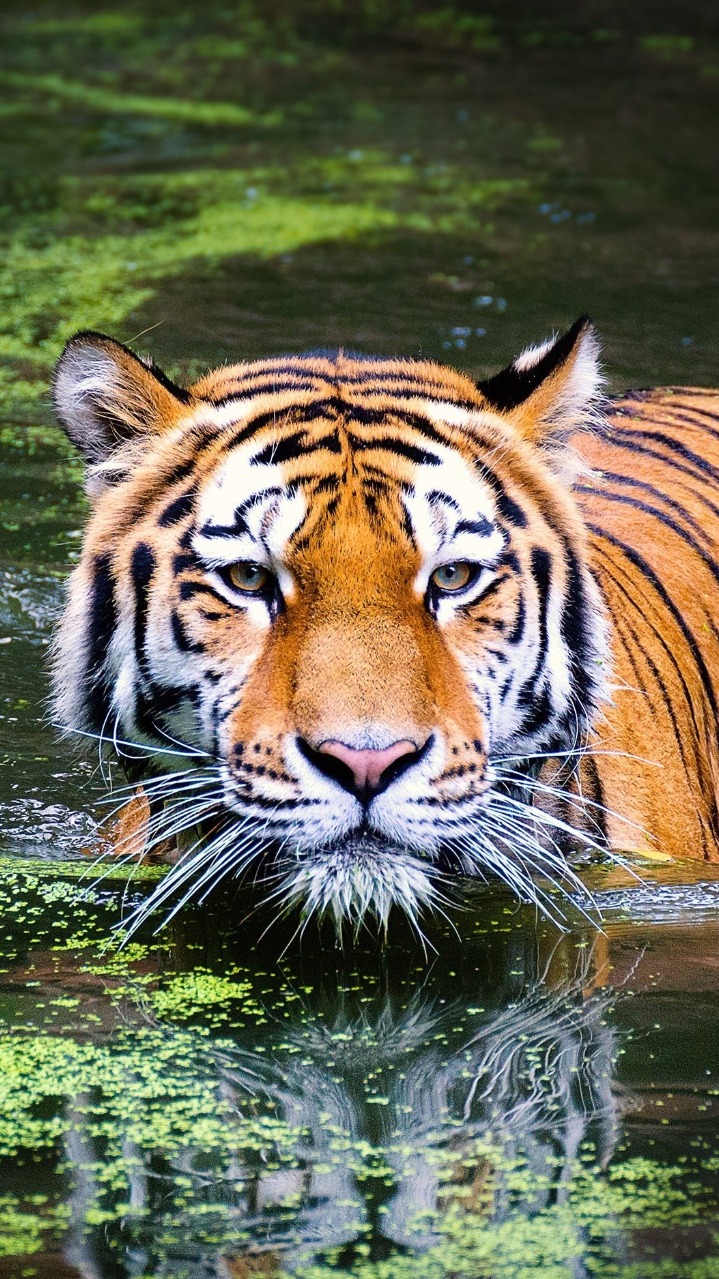 EN · Endangered
Panthera tigris tigris
Fewer than 5,600 wild tigers remain — down from 100,000 a century ago.
Source · WWF / IUCN 2024
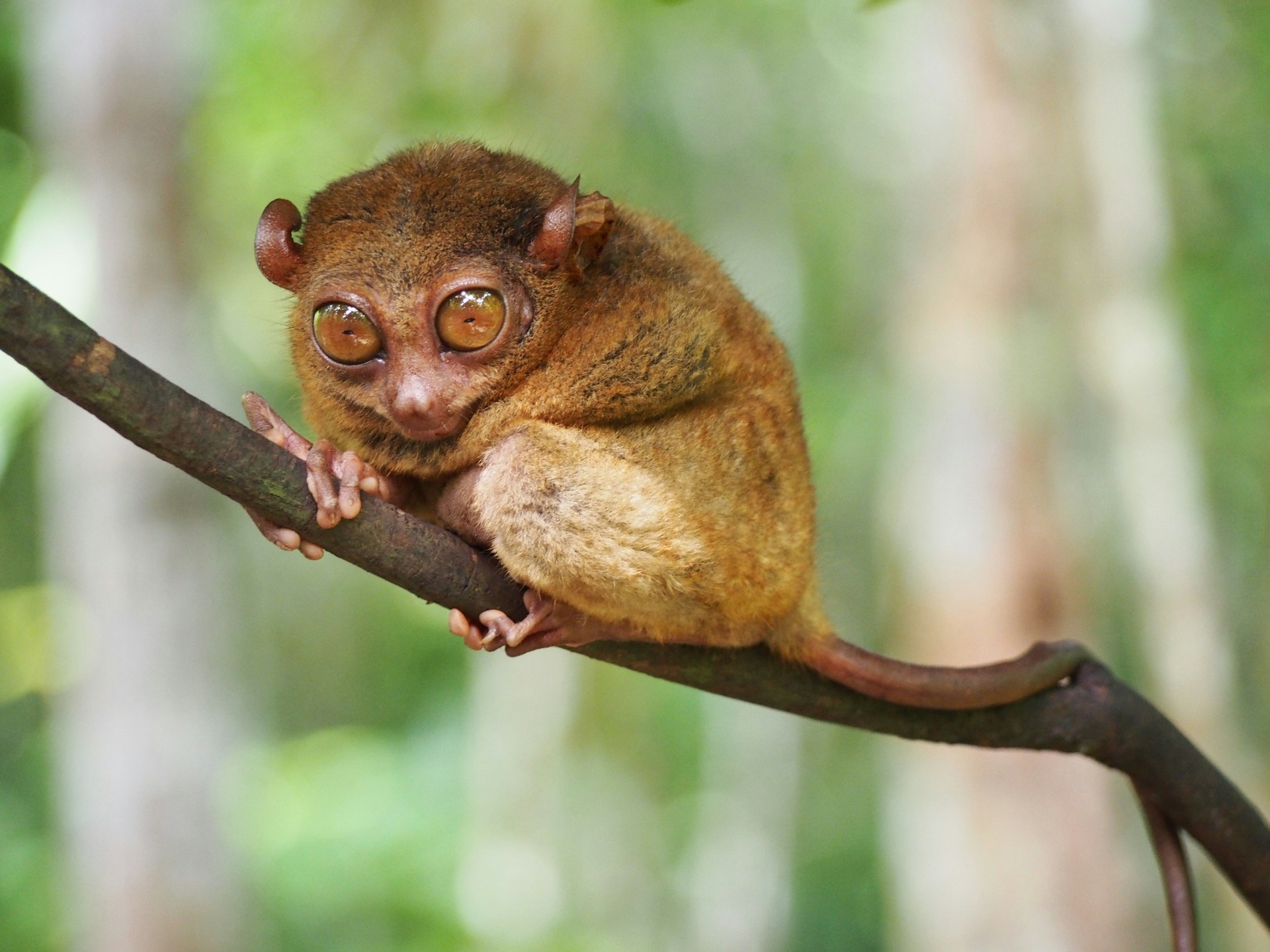 EN · Endangered
Daubentonia madagascariensis
Madagascar's largest nocturnal primate — threatened by deforestation and superstition.
Source · IUCN
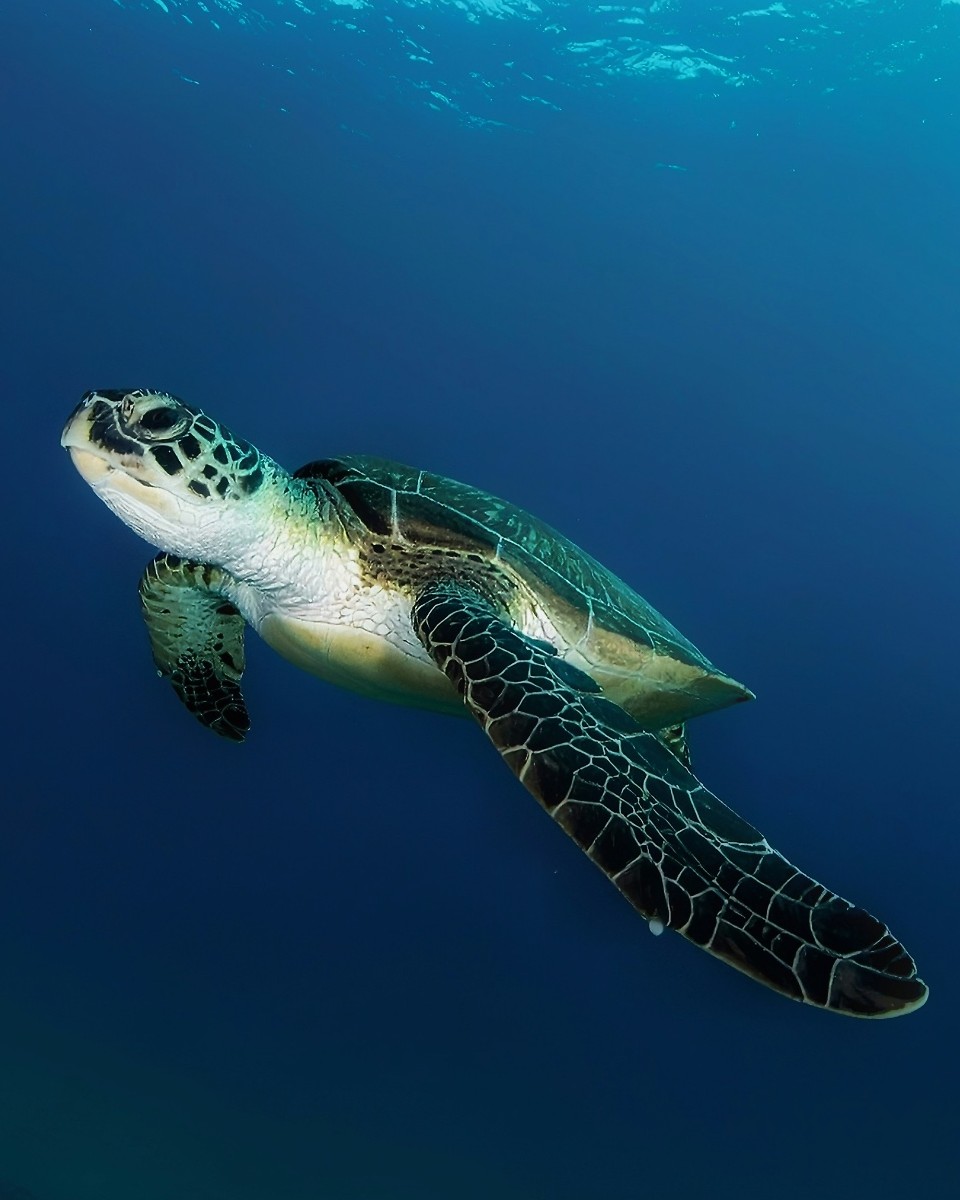 CR · Critically Endangered
Eretmochelys imbricata
Over 80% population decline in the past century.
Source · IUCN
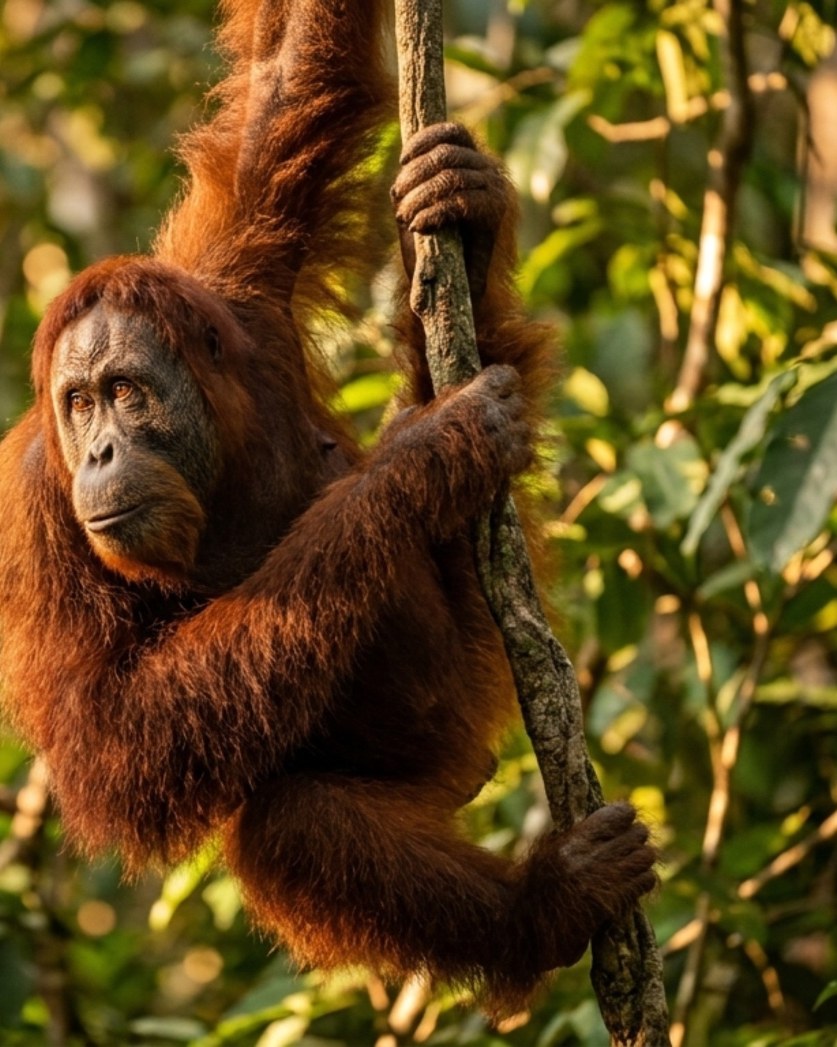 CR · Critically Endangered
Pongo abelii
Fewer than 14,000 remain across fragmented rainforest.
Source · IUCN
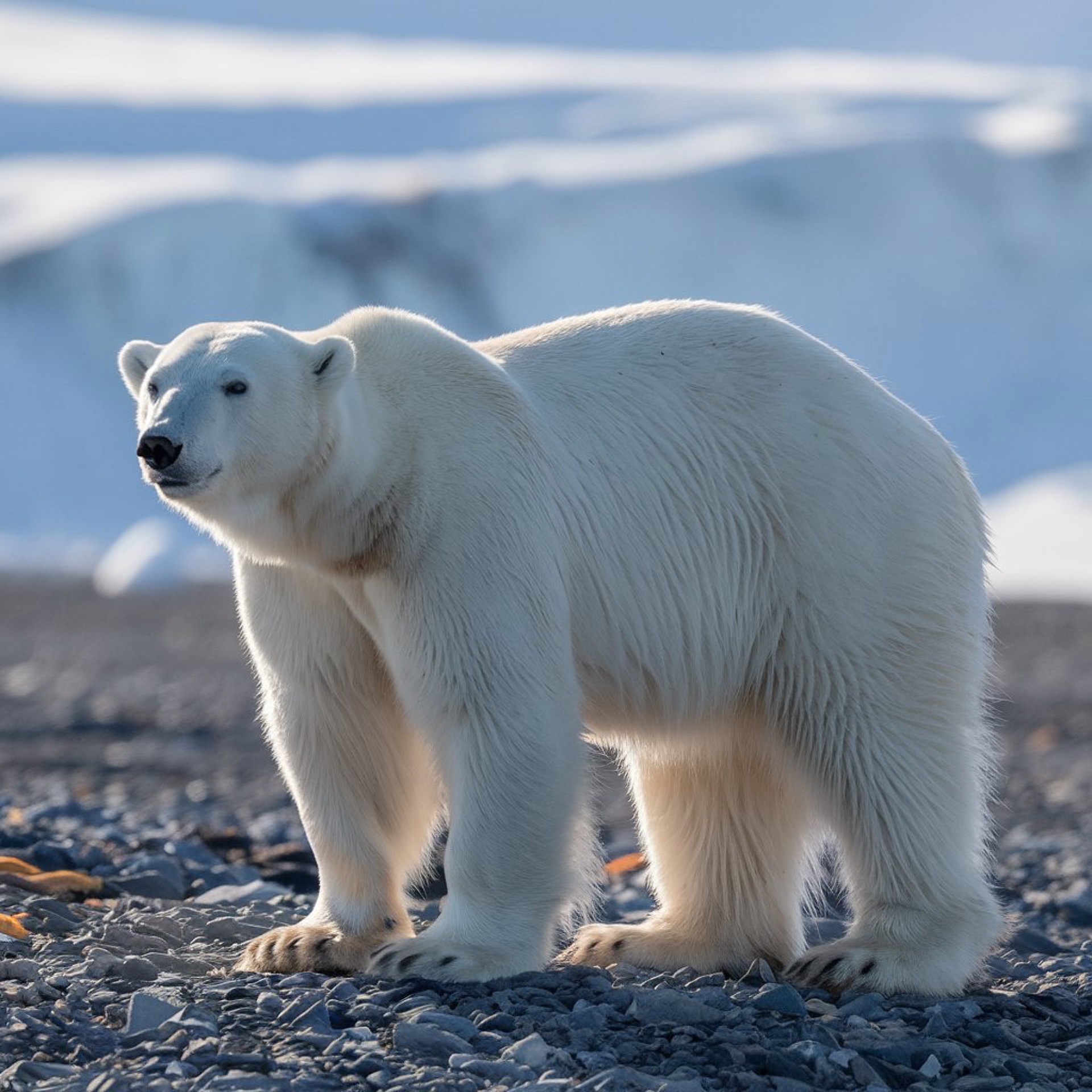 VU · Vulnerable
Ursus maritimus
Sea-ice loss could shrink the global population by more than 30% by 2050.
Source · IUCN / WWF
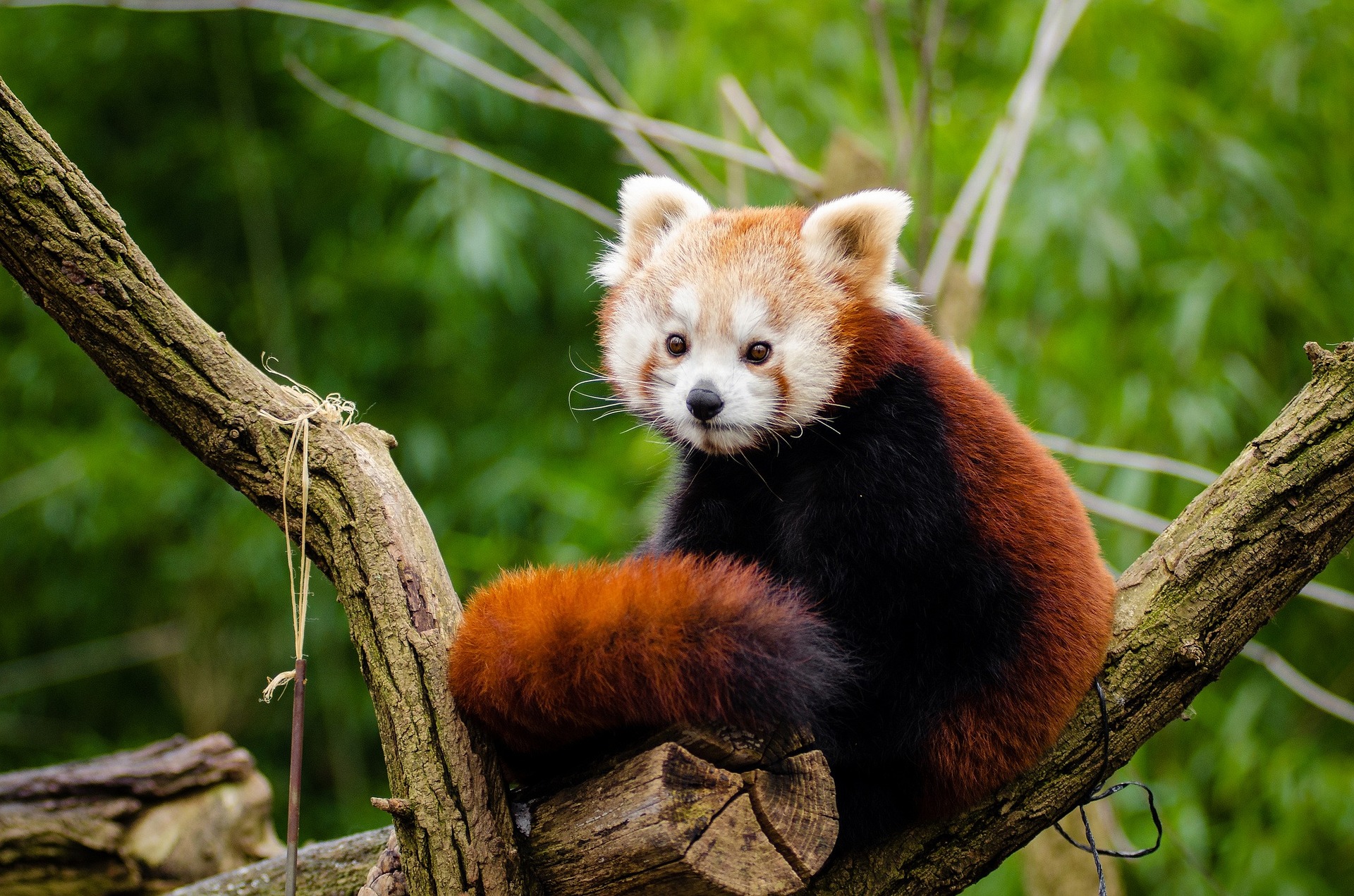 EN · Endangered
Ailurus fulgens
Fewer than 10,000 remain across the eastern Himalayas as forests are cleared.
Source · IUCN / WWF
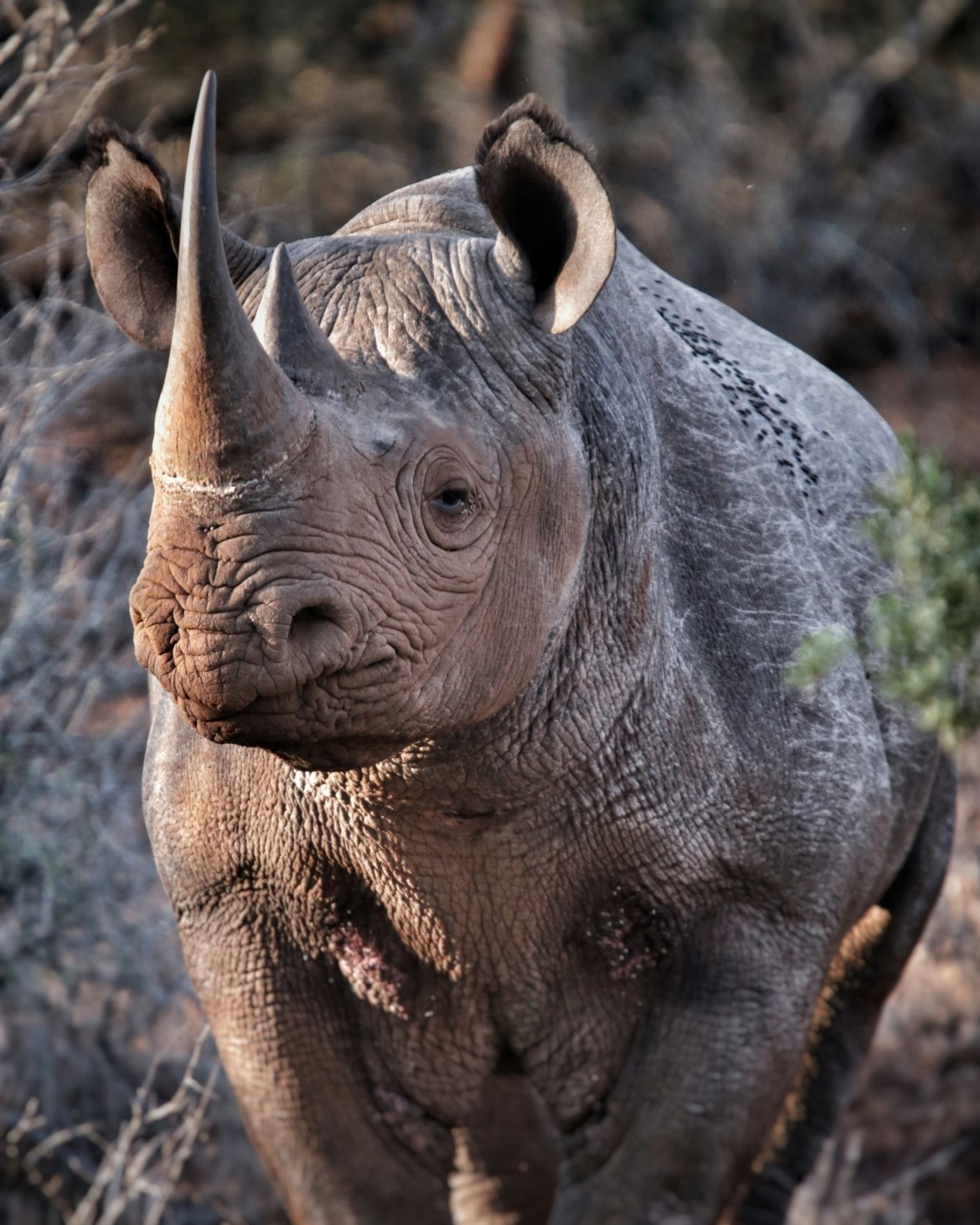 CR · Critically Endangered
Diceros bicornis
Poaching wiped out 98% of the population between 1960 and 1995. Around 6,421 remain today.
Source · IUCN Red List 2025 / WWF
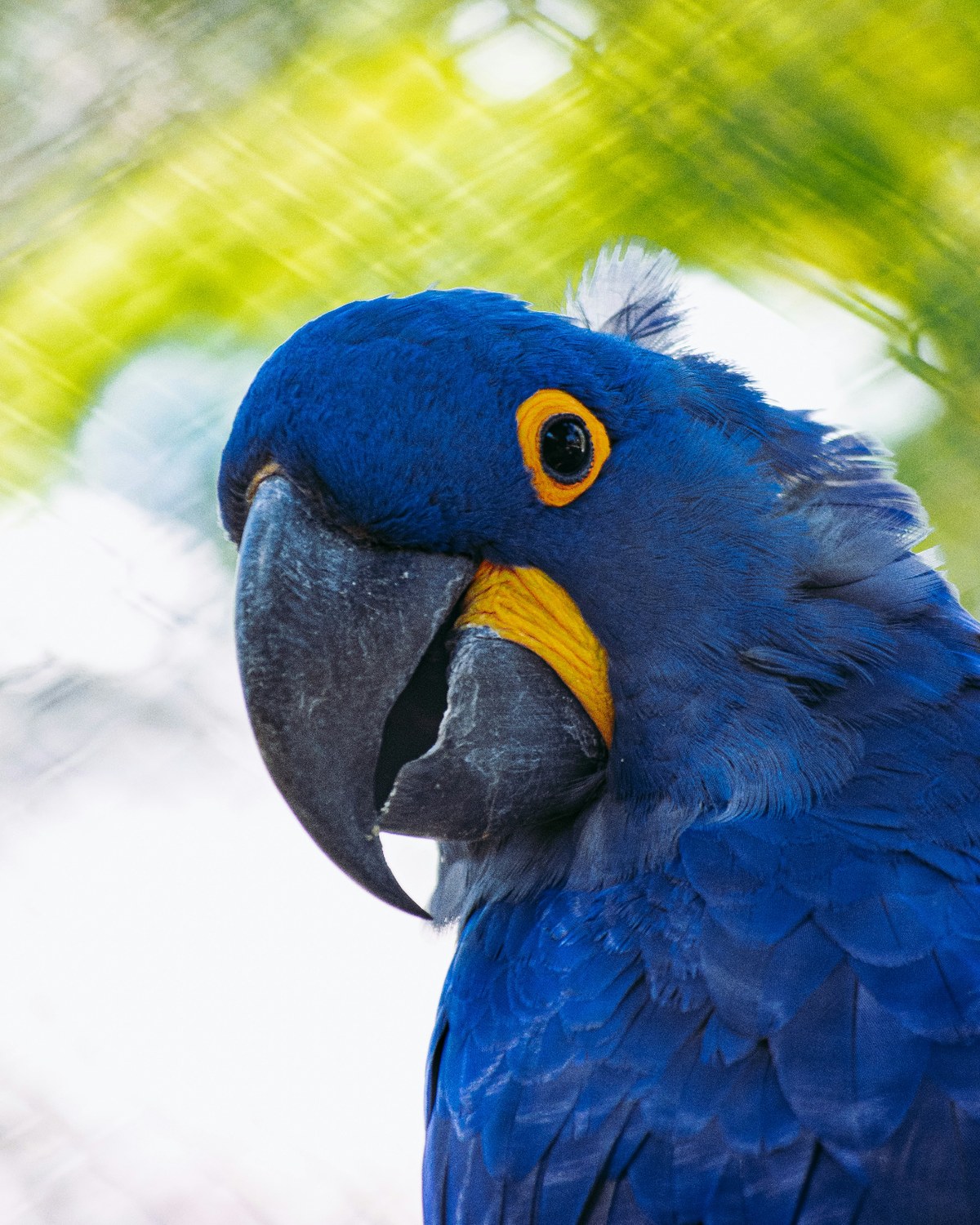 EN · Endangered
Anodorhynchus hyacinthinus
The world's largest parrot by length — its electric blue feathers make it the most trafficked wild bird on Earth.
Source · IUCN Red List
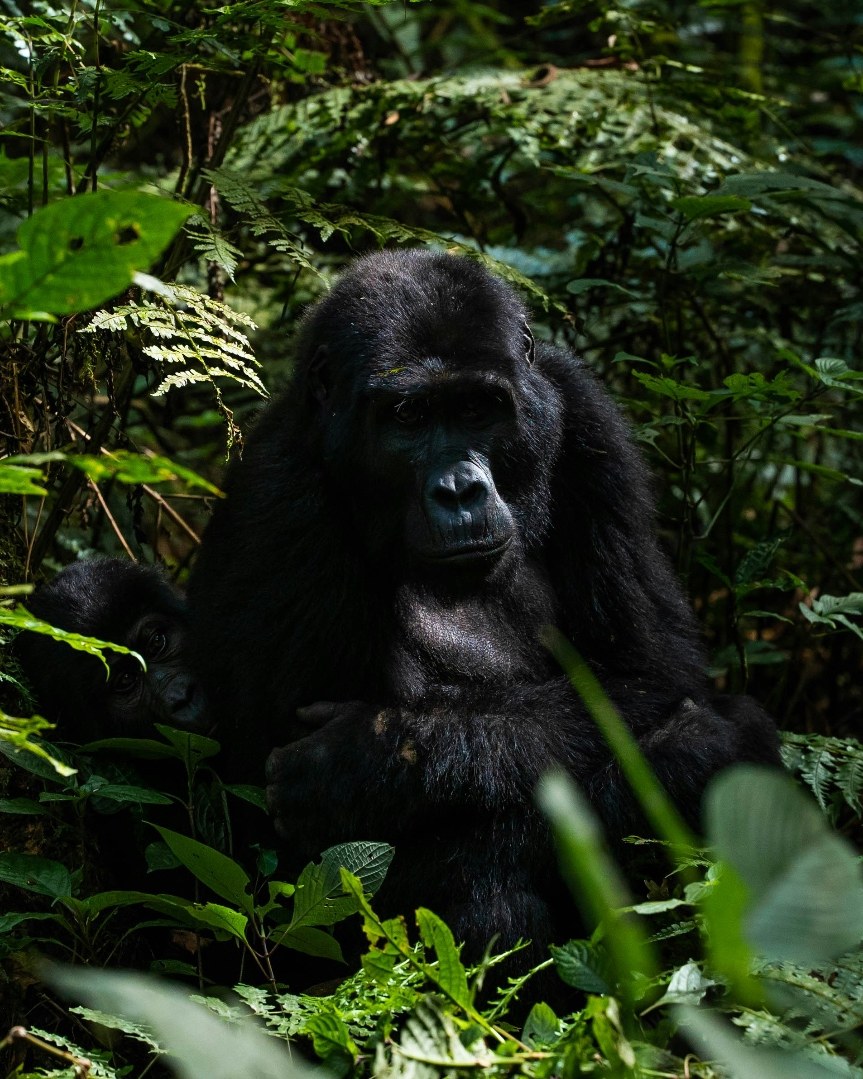 EN · Endangered
Gorilla beringei beringei
From 620 individuals in 2008 to over 1,000 today — a rare and inspiring conservation success story.
Source · WWF / IUCN
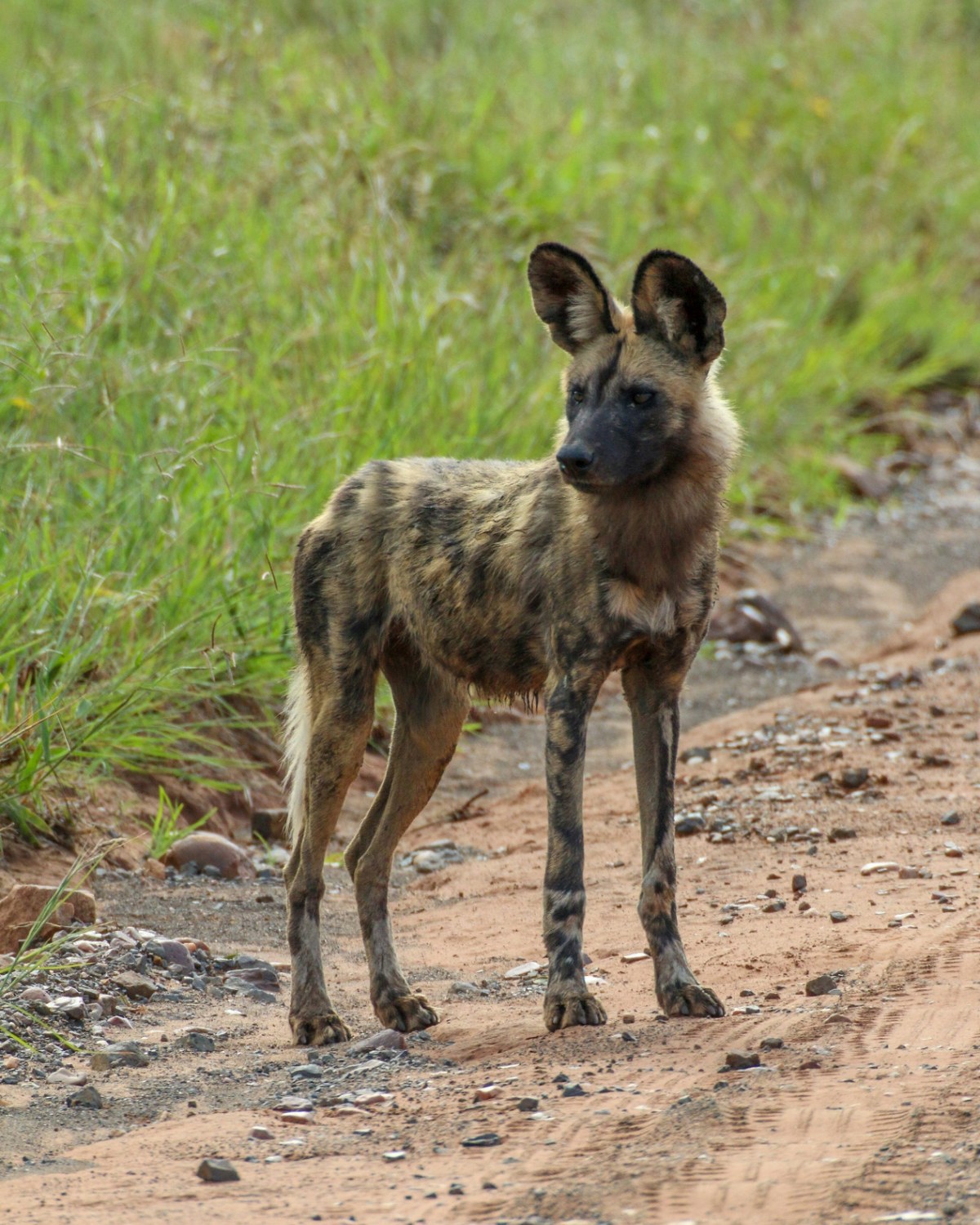 EN · Endangered
Lycaon pictus
Also known as the Painted Wolf — no two individuals share the same coat pattern. Fewer than 6,600 remain across just 8.5% of their former range.
Source · IUCN Red List / Wikipedia
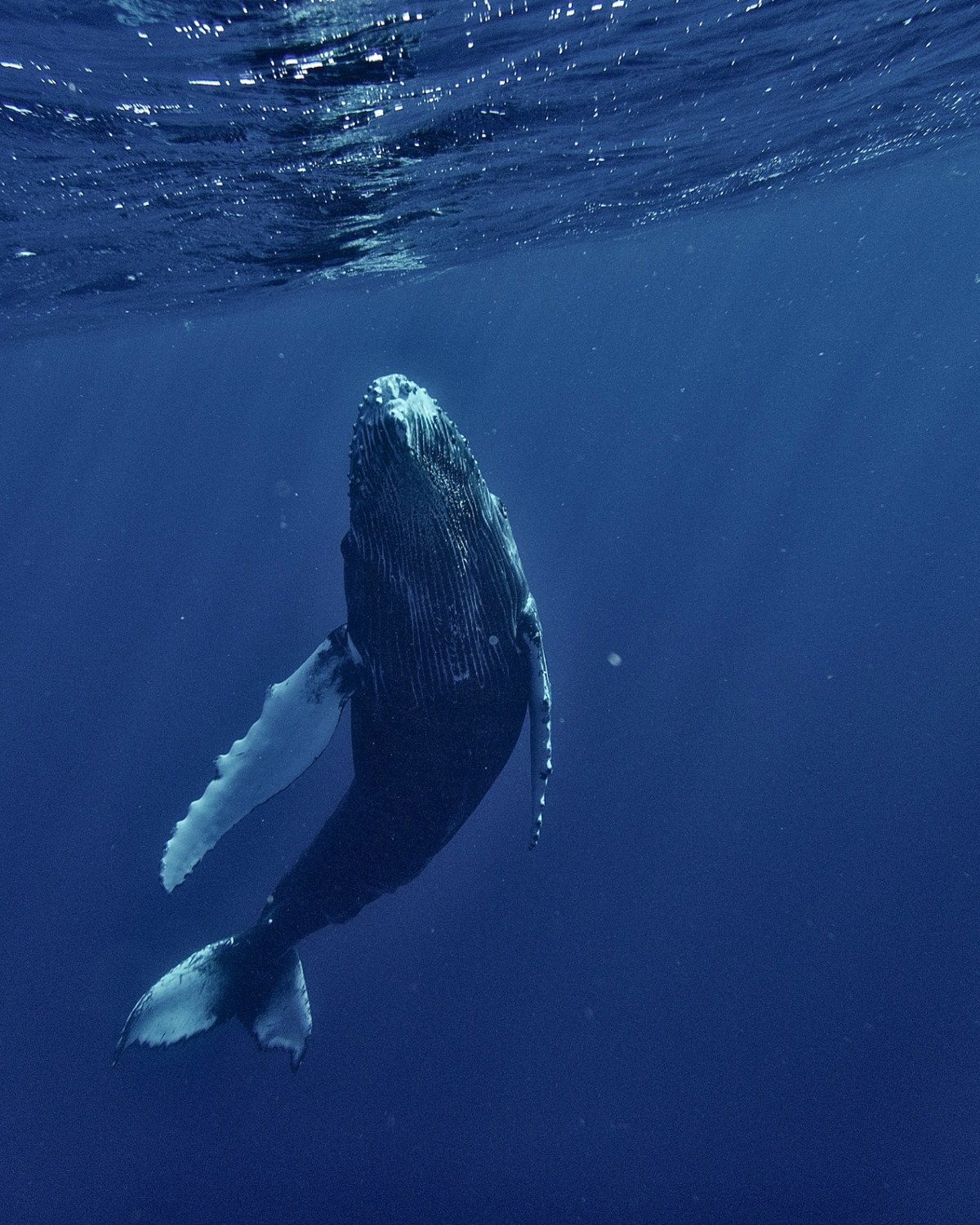 EN · Endangered
Balaenoptera musculus
The largest animal ever known to exist — and still endangered, with as few as 10,000–15,000 individuals remaining.
Source · IUCN Red List / NOAA
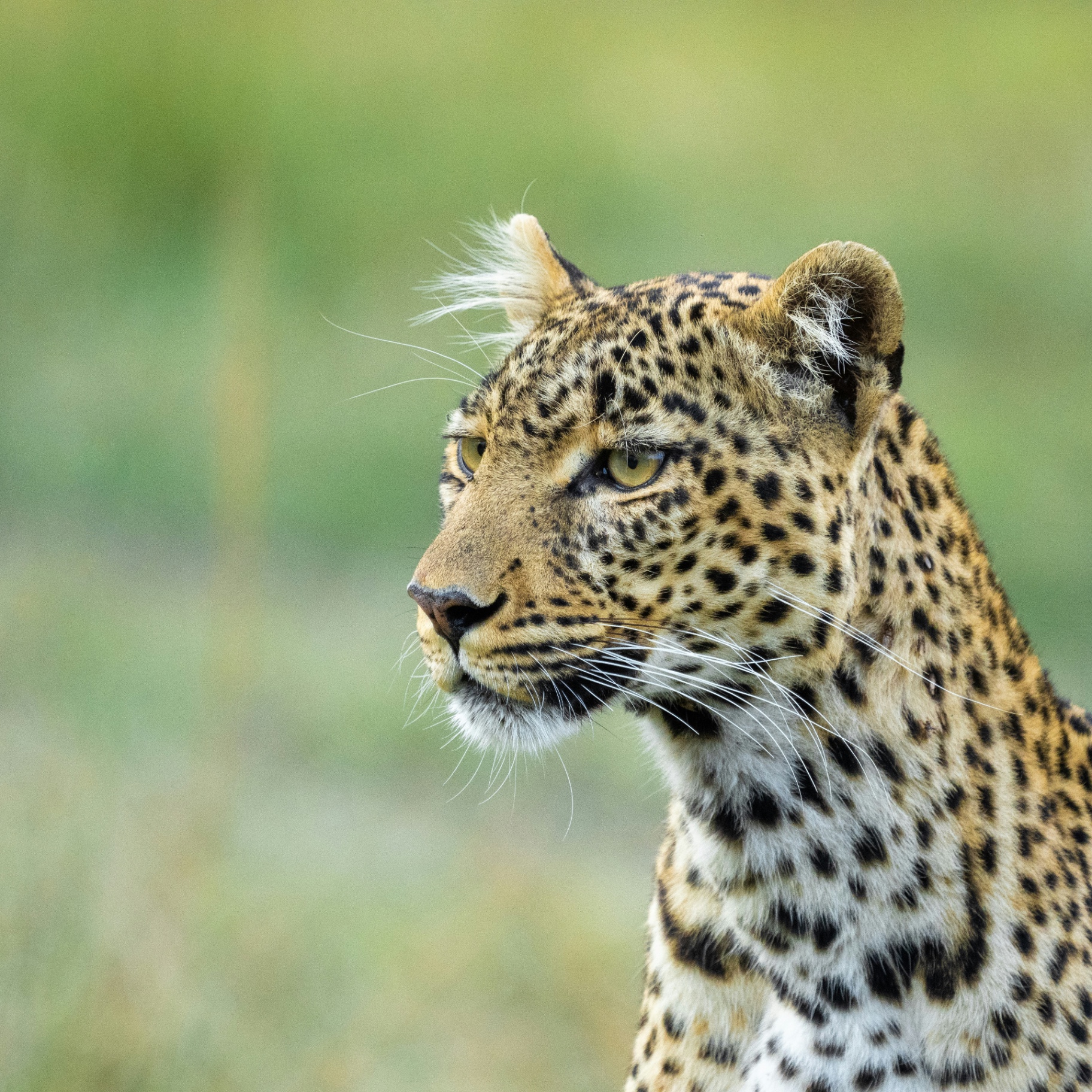 CR · Critically Endangered
Panthera pardus orientalis
One of the rarest big cats on Earth — fewer than 130 remain in the wild across the Russian Far East and northeast China.
Source · WWF / IUCN Red List
Why are species endangered?
The expanding human population constantly requires additional space and resources. Humans have destroyed over half of the Earth's forests. The remaining forests are shrinking fast.
Humans have introduced non-native species to habitats worldwide, often with devastating consequences for native wildlife that have no defenses against the introduced species.
Global warming, droughts, ocean acidification, loss of sea ice, and extreme weather are all events that threaten species survival.
Many species have been hunted or fished beyond sustainable levels. People still illegally kill animals for horns, fur, meat, and body parts. Many animals and plants have also been collected from the wild beyond sustainable levels for pet trade or private collections.
Human waste creates plastic pollution, oil spills, acid rain, heavy metals, and pesticides. For wildlife and their habitats, there is no escape — pollutants contaminate soil, waterways, and oceans, accumulating up the food chain from microscopic plankton to the largest predators on Earth.
Conservation in action
Protection of habitats before they are damaged: national parks, wildlife reserves, and marine protected areas.
When a habitat has been degraded, it can be restored by managing land, removing invasive species, and reintroducing native species.
Endangered species bred in captivity to preserve numbers. In some cases reintroduction to the wild is possible. Plant species preserved via seed banks.
Many countries have laws protecting endangered species. CITES (Convention on International Trade in Endangered Species) is the key international agreement. In the US, the Endangered Species Act is enforced by U.S. Fish & Wildlife Service (fws.gov) and NOAA (noaa.gov).
Hope
| Species | Then | Now | Source |
|---|---|---|---|
| California Condor | Then22 individuals (1982) | Now560+ today | SourceU.S. FWS 2024 |
| Mountain Gorilla | Then~620 (2008) | Now1,000+ today | SourceWWF |
| Bald Eagle | ThenListed as Endangered (1967) | NowDelisted 2007 after DDT ban and recovery efforts | SourceU.S. FWS |
"When humans choose to act, species survive.
The outcomes are in our hands."